

As ACAP celebrates its 30 year history this October, we want to commemorate the past presidents who have consolidated this organization’s status as one of the most important nonprofits in New York. To provide insight on how the organization has persevered through ever changing healthcare policies, a deadly pandemic, and more, the Past President Interview Celebration highlights ACAP’s storied leadership by emphasizing the values of our organization’s best along with their diverse experiences. We hope you join us in this celebration as we reflect on the key members that have shaped the history ACAP prides itself on, reported from the perspective of aspiring physicians.
Dr. Ziqiang Zhu, MD, MBA (2024-2026)
Leading the organization for the 2024-2026 term is Dr. Ziqiang Zhu, an internal medicine physician, the current President of ACAP, and a diligent worker whose upbringing was marked by a strong emphasis on education as the first of his family to pursue medicine. Dr. Zhu practices internal medicine and believes that “medicine is both a science and an art that thrives on shared knowledge and teamwork.” First introduced to ACAP in 2012 by Dr. Wei Cui, president of ACAP’s Mid-Atlantic Chapter, Dr. Zhu was able to land a clinical observership rotation in the ICU of New York Hospital of Queens and an acceptance into the internal medicine residency program at Brookdale University Hospital Center via ACAP’s mock interview series.
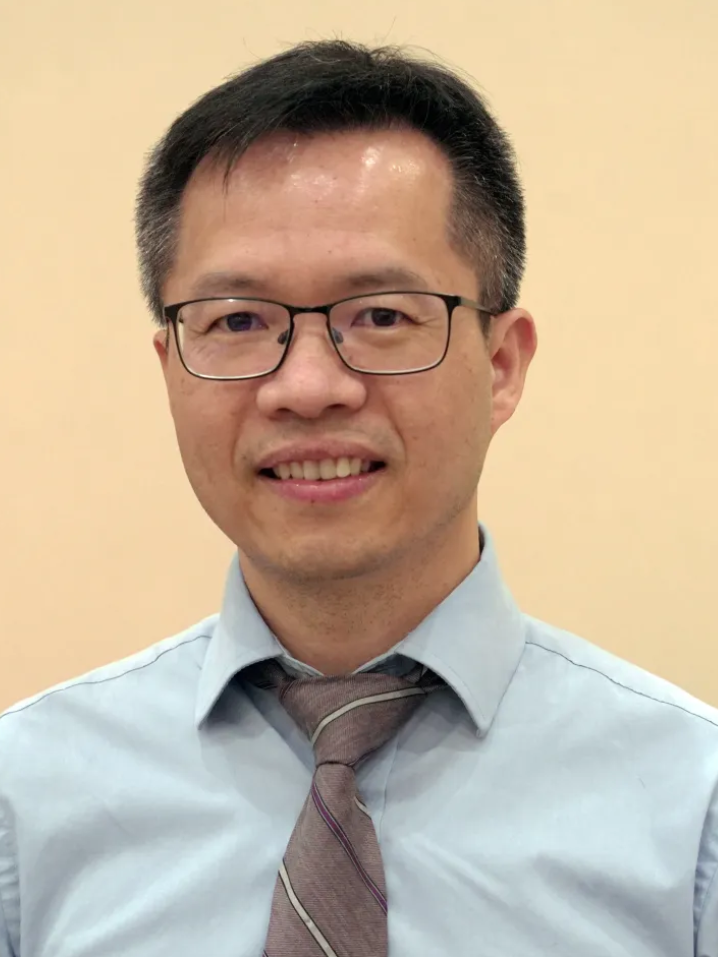
Dr. Jin Li, MD, PhD, FAAN, FAANEM (2022-2024)

As a neurologist with a PhD background in cell biology and anatomy, Dr. Li is committed to using her education background at Westchester Medical Center as the Section Chief of Neuromuscular Disease, Medical Director of Headache Medicine, program director of the neurology residency program, and board member of the Medical Education Committee. She organized ACAP’s first health fair in Brooklyn in 2024 where she revitalized ACAP’s relationship to the community and other national and local health organizations such as CAMS, CAIPA, and Rendr. Her innovation in kickstarting ACAP’s social media presence post-pandemic has allowed for its community wide reach to expand to what it is today, highlighting Dr. Li’s emphasis on the importance of in-person interactions within an environment that succeeds best with collaboration and learning.
Dr. Wensong Li, MD, PhD (2020-2022)
From national physics problem-solving competitions to training at world-renowned institutions and specializing in both ophthalmology and anesthesiology, Dr. Wensong Li—past president of ACAP from 2020 to 2022—has demonstrated remarkable breadth and leadership. During the COVID-19 pandemic, he led ACAP through unprecedented challenges while continuing his work at pain management facilities in Flushing and Brooklyn, shaping the organization around its three pillars by emphasizing physician support alongside patient care and leaving a lasting impact on ACAP’s members, sponsors, and volunteers.

Dr. Ruliang Xu, MD, PhD (2018-2020)

Dr. Ruliang Xu’s presidency from 2018 to 2020 was marked by both challenges and success, particularly during the COVID-19 pandemic. A physician and researcher with advanced training in pathology and immunology, and a former president of ACAP, Dr. Xu led critical initiatives that helped protect the community from the virus. Originally trained in China with a strong foundation in biology and immunology, he pursued a Ph.D. in the United States before completing his residency in pathology at NYU. Dr. Xu upholds professionalism, perseverance, and service as core values, emphasizing that being a good doctor requires long hours, constant learning, and a passion for patient care rather than financial gain.
Dr. Vincent Y Wang, DO (2016-2018)
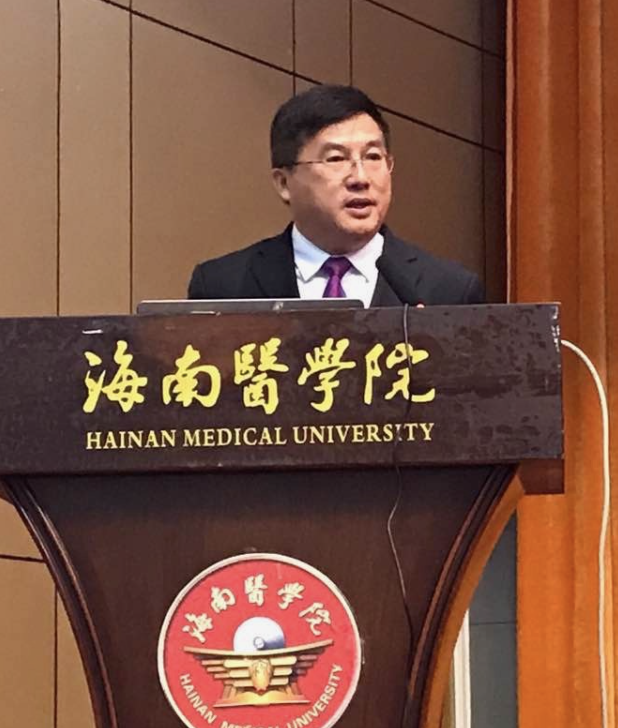
Dr. Vincent Wang is an internal medicine physician with a deep commitment to amplifying opportunities for IMGs, a defining feature of his integral presidency from 2016-2018. Having graduated from Hainan Medical School, Dr. Wang relied on his community and mentors to join the American medical scene, where he has dedicated the majority of his professional career to improving patient-physician relations for the best care possible. As a community-oriented physician, Dr. Wang especially highlights community building among physicians to create a true community of care outside of the clinic. During his presidency, Dr. Wang advocated for ACAP’s presence in hospitals as well as increased mock interview opportunities. A veteran of the IMG to physician process, Dr. Wang shaped ACAP’s approach to creating cross-community building in service of patient care.
Dr. Gary Guo, MD, PhD (2014-2016)
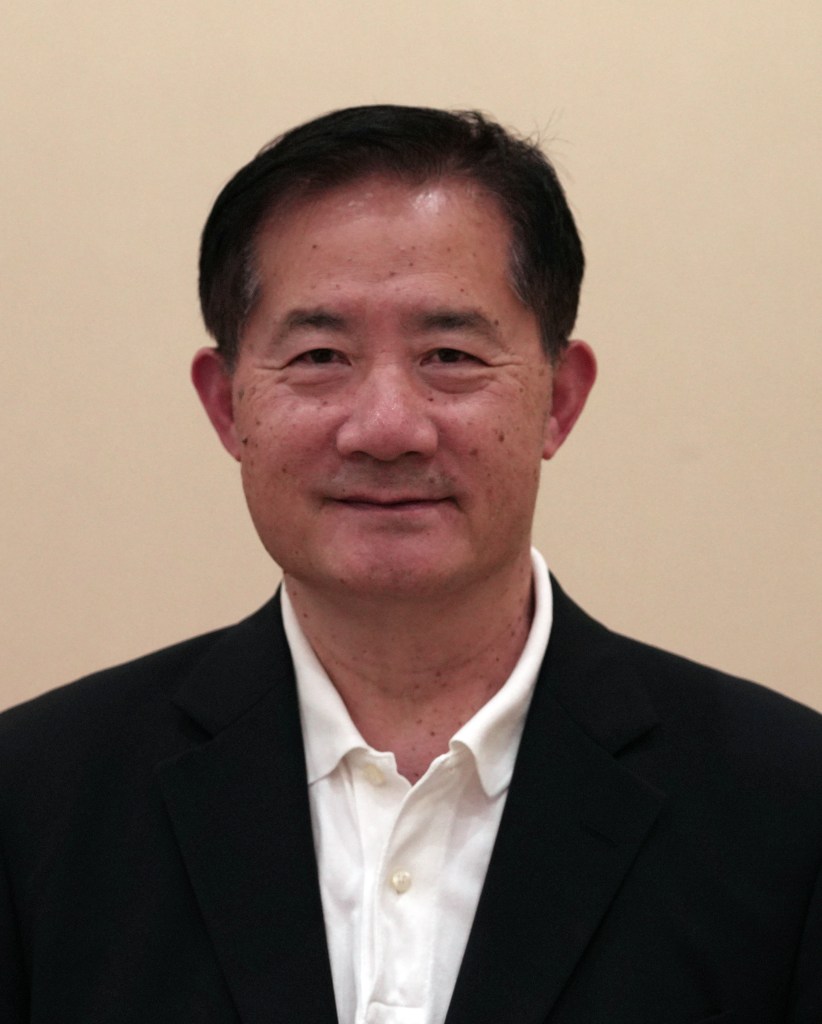
Dr. Gary Guo is a dedicated internal medicine physician with over two decades of experience practicing medicine in the United States after completing his medical education in Shanghai and earning both an M.D. and Ph.D. in the U.S. As a long-time member and former president of ACAP, Dr. Guo played a pivotal role in expanding the organization’s outreach to underserved communities, fostering collaborations with hospital and medical school leadership, and supporting young physicians and medical graduates. A seasoned physician and educator with over two decades of experience in clinical practice, medical training, and community leadership, his presidency has been instrumental to reinforcing physician networks, mentoring the next generation of doctors, and improving access to healthcare.
Dr. Zili He, MD (2012-2014)
Dr. Zili He first became interested in medicine through his high school biology class, where he gained an interest in molecular metabolism, which has led to his long standing career as an oncologist. After immigrating to the US from Zhejiang, Dr. He found a community of Chinese immigrant doctor who had similarly completed training in China, but had to repeat the process of building their medical careers from scratch in New York. Under his leadership, ACAP saw an increase in residents who saw success in October, and returned as mentors, creating a cycle of professional development that is ever present in ACAP. Dr. He is proud of his role in encouraging young physicians and students to pursue careers in medicine via ACAP, and looks forward to seeing ACAP grow in the future.
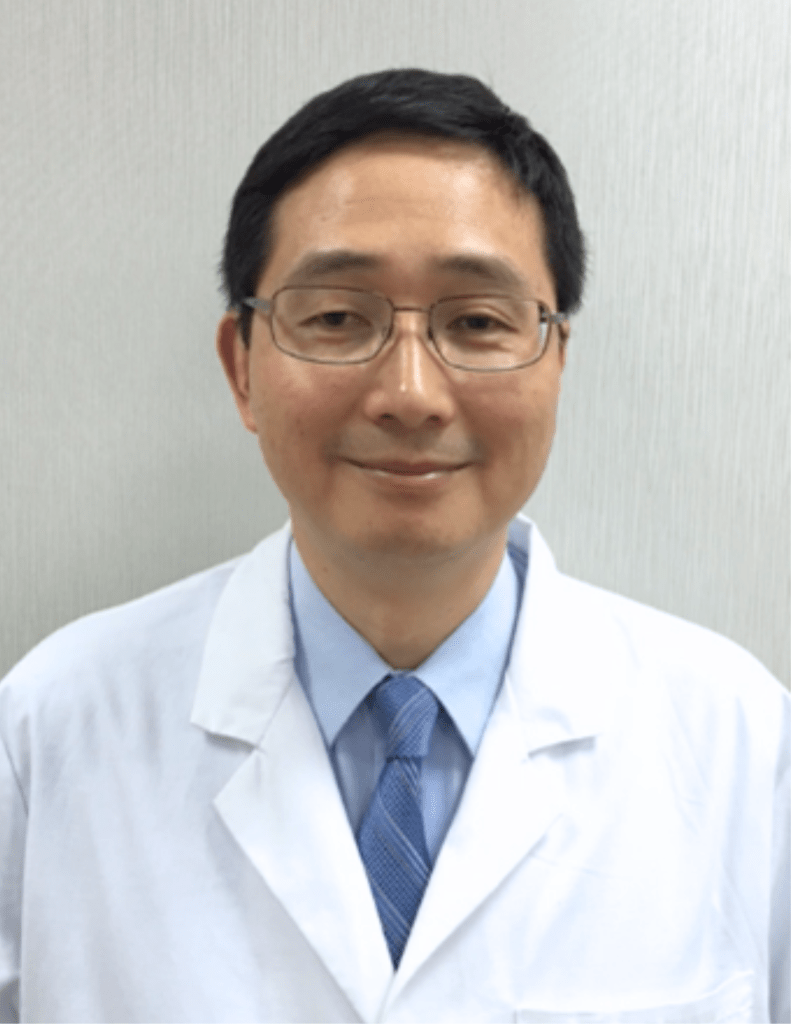
Dr. Lisa Eng, DO (2010-2012)
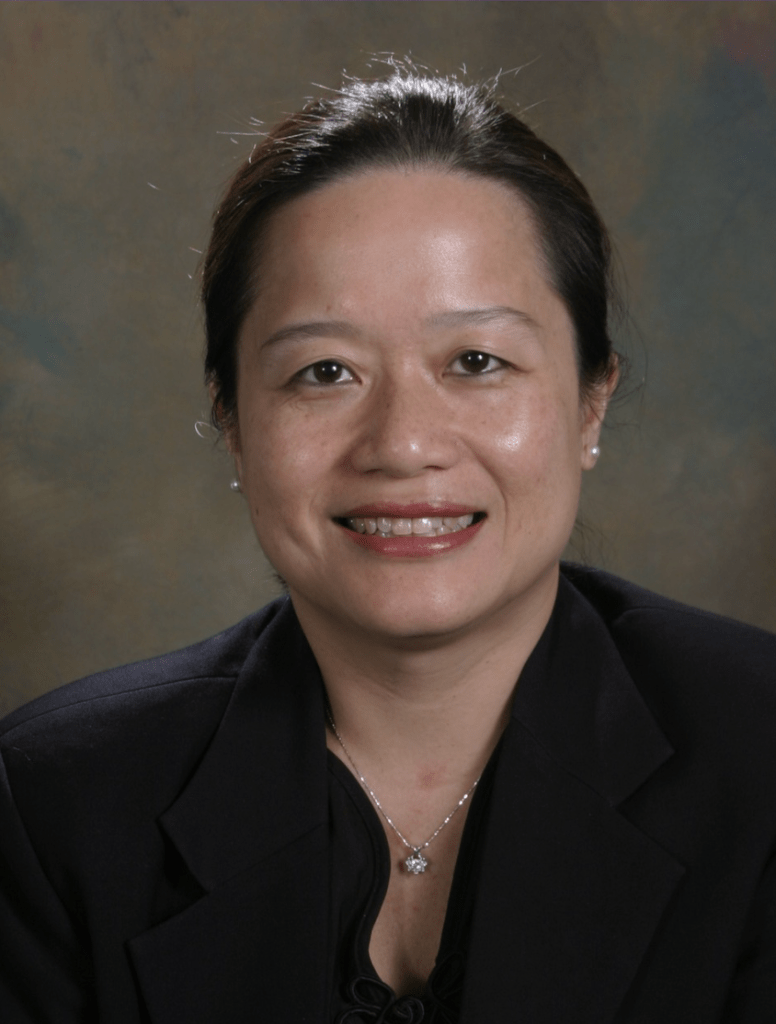
Dr. Lisa Eng, an OB/GYN, reflects on her journey from immigrating from Hong Kong as young child, to becoming a physician and leader in her community. Although medicine was not her original plan, she discovered her passion for patient care and mentorship in medical school. She opened her private practice in Manhattan and Brooklyn and emphasized patient-centered care, noting that patients shaped her career the most. During her ACAP presidency, she expanded Chinese medical graduate programs, promoted collaboration with other Asian medical groups, and pushed for English to be used instead of exclusively using Mandarin to make ACAP more inclusive and relevant. Dr. Eng encourages future leaders to self-advocate, stay open to learning, and continue serving as role models for the next generation.
Dr. David Zhang, MD (2008-2010)
In Tibet, Dr. Zhang’s earliest medical school visits were made barefoot as a reflection of the patients he cared for – his intrinsic devotion to his community made his presidency especially interactive with both physicians and patients under his care. During his presidency, Dr. Zhang especially cherished teaching opportunities with new physicians who were equally as interested in research as they were in healthcare, advancing many young physicians’ professional careers as a previous fellow at Mount Sinai. With scientific startups such as NovinoAI consolidating his reputation as a pathology technology expert, Dr. Zhang’s core beliefs revolve around a simple mantra: “I just like to help people.” As one of the earliest presidents of ACAP, Dr. Zhang has left a tangible impact in making the novel more accessible for the patients at the heart of ACAP’s mission.

Dr. Henry Chen, MD (2006-2008)

“It’s about shared values, mutual support, and believing in each other.” Dr. Henry Chen, who served as ACAP President from 2006 to 2008, had a decisively foundational role in ACAP. As Dr. Chen was finishing his internal medicine residency in 1995, he joined a group of 20 to 30 fellow physicians who recognized the importance of creating a community. As one of the founding members, Dr. Chen led the rename of AACP to ACAP to reflect the mission of Chinese physicians in America and outlined how to mitigate the financial struggle associated with starting a nonprofit. Through his past presidency for ACAP, current role as President of Somos Community Care, and recognitions such as the United States Presidential Lifetime Achievement, Dr. Chen has pioneered ACAP and the patient-doctor experience to be a testament to the resilience, vision, and unity of Chinese American physicians.
Dr. Huachen Wei, MD, PhD, MSPH, FAAD (2004-2006)
Dr. Huachen Wei, a dermatologist, cancer researcher, and tenured professor, built a career in both research and clinical medicine. After earning his PhD at NYU in just 2 years, he became a professor at the University of Alabama and later returned to clinical dermatology at Mount Sinai, where he treated underserved Chinese immigrants. Inspired by the lack of access to culturally sensitive care, he opened his own practice and emphasized cultural understanding in medicine. As ACAP president, he strengthened the organization during a critical time by organizing the first CME cruise, expanding membership, and building a stronger financial stability. Dr. Wei stresses unity among Chinese physicians, the importance of prevention and education, and a lifelong commitment to learning and service.

Dr. Bing Lu, MD, PhD, MBA (2002-2004)

While undergoing residency in internal medicine in Providence, Rhode Island, Dr. Lu organized the reinvention of ACAP’s New England chapter. Mobilizing 60 physicians with similar backgrounds, Dr. Lu led his peers to center volunteer spirit at the core of ACAP’s mission, bringing forth his own experience from medical and academic roles, as well as contributions from his MBA background from Pace University. With his unique perspective earned through a MD and MBA career path, Dr. Lu used his understanding of the American system to create a new bylaw, clear governance structures, and rename the organization: from American Association of Chinese Physicians to Association of Chinese American Physicians, effectively rewriting the narrative of his own and his peers’ identities.
Dr. Dexter Sun, MD, PhD (2000-2002)
Dr. Dexter Sun, a neurologist at NewYork-Presbyterian and a professor at Weill Cornell Medical College, was one of the original founders of ACAP. As one of the few physicians of the early 1990s who had U.S. clinical training and was from China, Dr. Sun recognized how isolating the American medical field could be for Chinese immigrants. Though the early years of ACAP lacked large-scale programs, his leadership was essential for laying the groundwork of the growth and strategic direction that ACAP has taken. Dr. Sun has a deep pride in the organization’s impact on all practicing in Chinese communities, primarily through the impact of business models and insurance negotiations that have emerged from ACAP’s initiatives.

Dr. Henry Haifeng Zhou, MD, PhD (1997-1999)

As one of the first presidents, Dr. Henry Zhou’s story reflects perseverance, adaptability, and a deep sense of purpose reflected in his contributions to ACAP. While his medical training originated in ophthalmology, Dr. Zhou became an anesthesiology attending in 1995 at NYU while heralding the development of ACAP. The focus for these early years was expanding outreach to physicians and bridging the cultural and educational gap for immigrant physicians, and the highlights of Dr. Zhou’s presidency were organizing lectures on residency applications, career development, and navigating private versus academic medicine in order to help Chinese physicians like himself.