
Applying Research for Solutions: Dr. Sun’s Expansion of ACAP’s Purpose
August 1st, 2025 | Author: Andrew Chang
Introduction
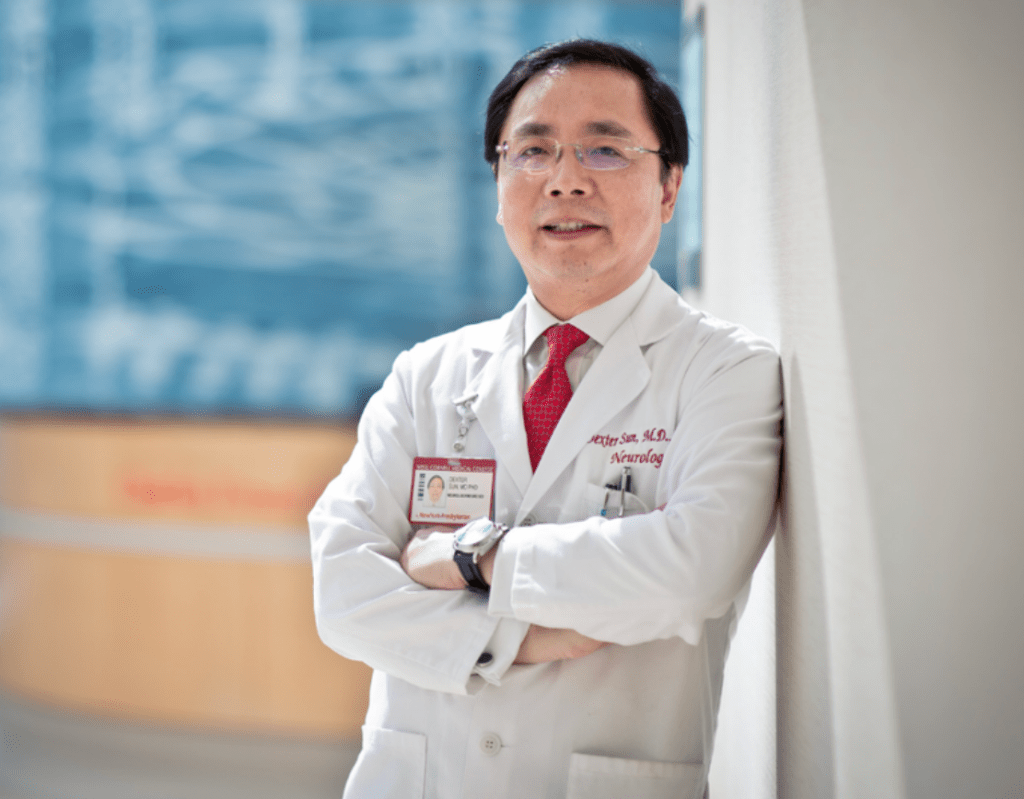
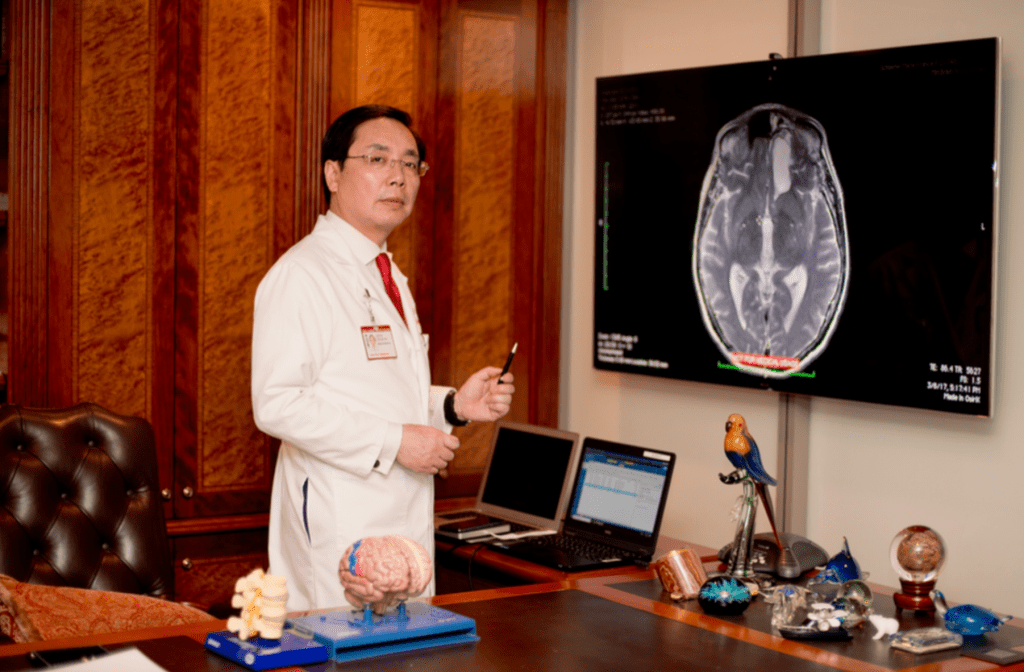
Dr. Sun, a neurologist at NewYork-Presbyterian and professor at Weill Cornell Medical College, was among the original founders of what would become ACAP. Dr. Sun served as a founding member, later becoming treasurer and, by 1998 or 1999, president. His career journey reflects not only personal achievement in the field of medicine but also a commitment to building bridges within the Chinese American physician community. Through his medical expertise and role in shaping ACAP, Dr. Sun helped lay a foundation that continues to support physicians and the broader Chinese American community today.
“I Want to Be a Scientist.”

Dr. Sun’s path to medicine was shaped by both ambition and intellectual curiosity. Dr. Sun completed medical school at the age of 23, but did not initially plan on becoming a clinician. “I came to this country for a PhD first, because I wanted to be a scientist.” Dr. Sun studied molecular neurobiology at the University of Wisconsin Madison, where he realized that he could apply his basic science knowledge to transform the traditional clinical space. His early focus was on scientific research, reflecting a desire to understand the brain at its most fundamental levels. Dr. Sun completed a post-doctoral fellowship at the Rockefeller University following his clinical training at New York Presbyterian-Weill Cornell Medical Center and Massachusetts General Hospital-Harvard Medical School. At the time, clinical neurology was a small branch, with the focus being on neurology research. With his unique background in both research and clinical training, Dr. Sun became further interested in the crux of humanity: “how to help people and how to interact with people.”
A Need for Community
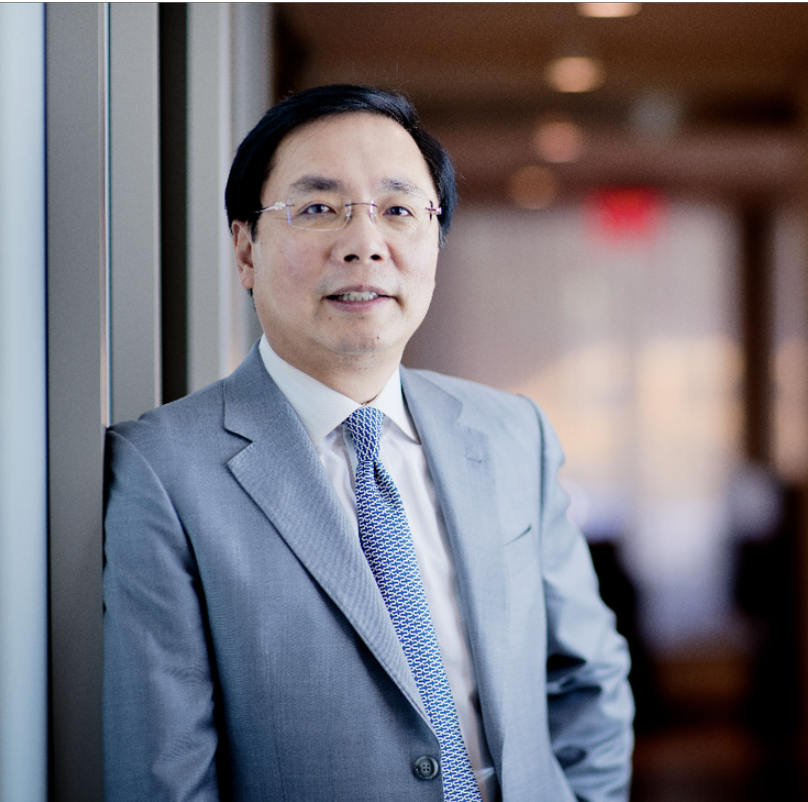
Dr. Sun’s involvement with ACAP began in the early 1990s, when he was a neurology resident at Cornell. At that time, most Chinese physicians in New York came from Taiwan or Hong Kong, and there was a sense among new arrivals from mainland China that they needed their own organization. Out of this need, Dr. Sun and several colleagues helped found what would become the Association of Chinese American Physicians. He recalls early meetings held in Chinatown, where young physicians discussed how to formally establish and register the group. As one of the founding members, Dr. Sun witnessed the association’s first steps toward becoming a united body of Chinese physicians in the United States.
Establishing Purpose
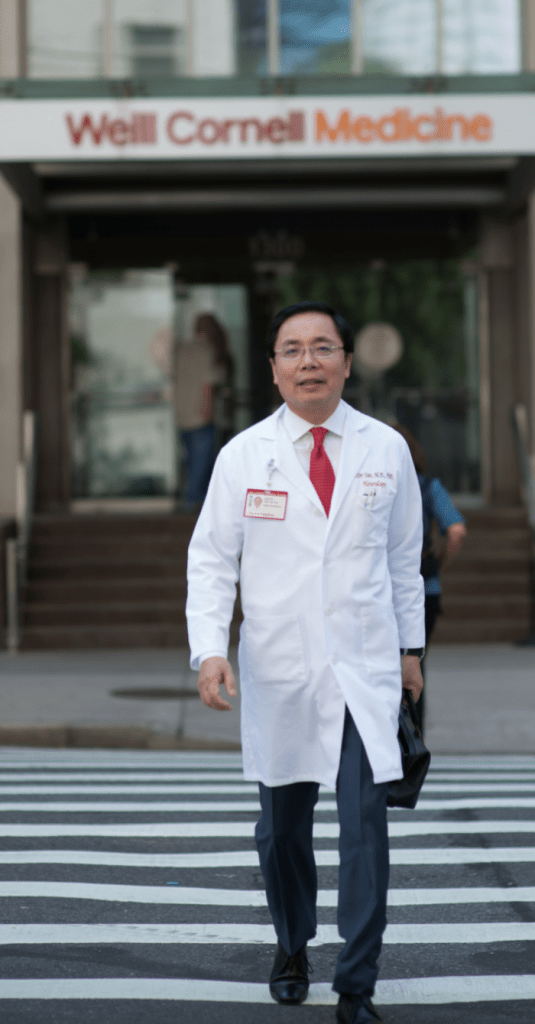
When he returned to New York after fellowship training at Massachusetts General Hospital, Dr. Sun was elected president of ACAP in the late 1990s. At the time, the organization was still defining its goals and identity. Dr. Sun’s presidency coincided with this period of transition, as members debated whether ACAP should primarily serve as a social and professional network or evolve into a stronger negotiating body to represent Chinese physicians in dealings with insurance companies. While Dr. Sun himself was not heavily involved in business negotiations, he provided leadership and continuity as the organization grew. One of Dr. Sun’s strongest beliefs was that ACAP should serve as a unifying force for all Chinese physicians, regardless of whether they came from mainland China, Taiwan, or Hong Kong. He recalls early discussions about whether to merge with other Chinese medical associations, emphasizing his conviction that “we are all Chinese” and that a united organization would carry greater influence. Although the groups remained separate, Dr. Sun’s vision of inclusivity highlighted his forward-thinking leadership.
Vision for Unity
During his presidency, Dr. Sun helped ACAP develop from a small social circle into a professional association that provided both community service and practical support for its members. The idea of forming a physician network that could collectively negotiate reimbursement rates with insurance companies was first raised during this period, planting the seeds for ACAP’s later expansion. He acknowledges that while his own contributions were modest compared to later leaders, his role as a founding member and early president helped stabilize the association and set the stage for future growth.
Contributing to Humanity
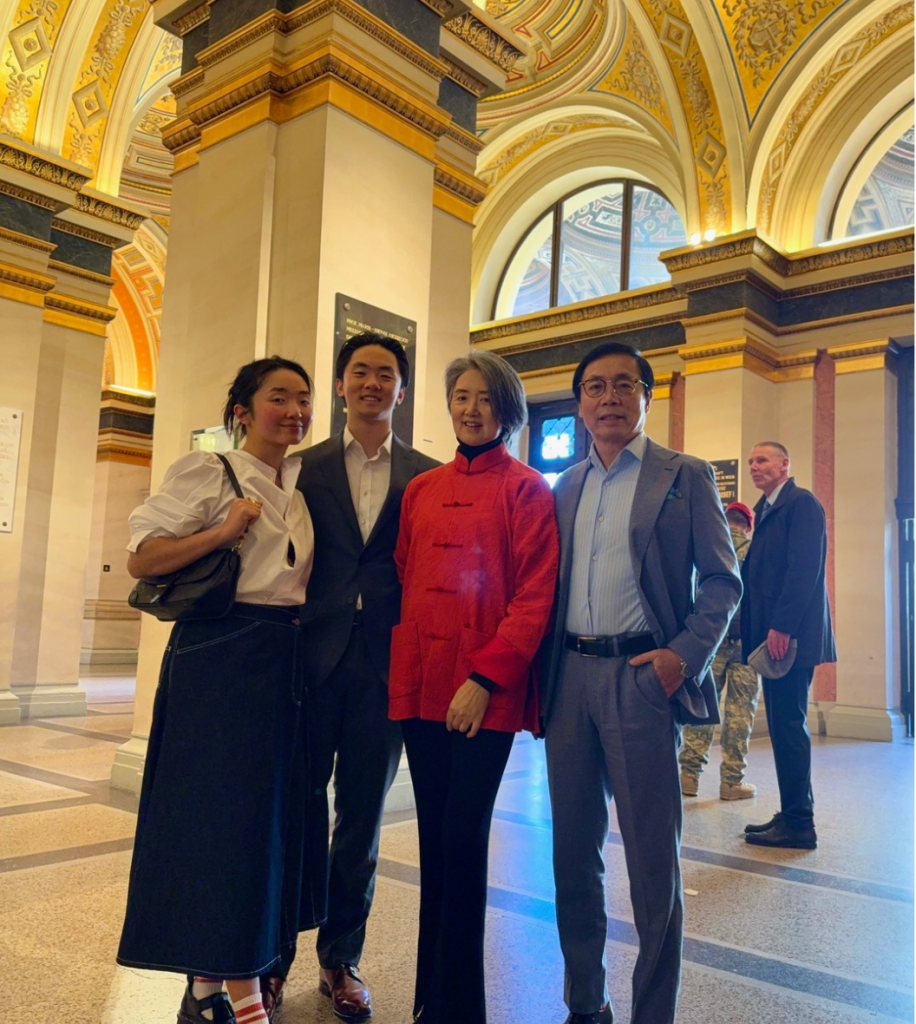
For Dr. Sun personally, ACAP did not directly impact his medical career. Practicing in Manhattan’s Upper East Side with an international patient base, his career trajectory was shaped more by academic medicine than by Chinatown practice. However, he remains deeply proud of ACAP’s accomplishments, especially the ways in which it has benefited colleagues who practice in Chinese American communities. Many physicians, he notes, have gained financial and professional advantages through the organization’s advocacy and network-building. ACAP has also increased awareness of preventive medicine through community talks and free health services, improving the health literacy of Chinese American populations.
Advice for the Next Generation
Dr. Sun emphasizes that confidence and independence are necessary for one’s journey, and encourages physicians to not limit themselves to practicing only within Chinese communities, but instead to see themselves as fully American physicians capable of excelling anywhere. At the same time, he stresses the importance of one’s heritage by contributing to the Chinese community through education, service, and mentorship. For Dr. Sun, success lies in combining professional excellence with cultural pride and responsibility, which stems from a dedication to scientific and clinical excellence, and dedication to building supportive networks for their communities. Dr. Sun encourages the next generation to be confident, to aim high, and to never forget the responsibility to give back.
About the Author
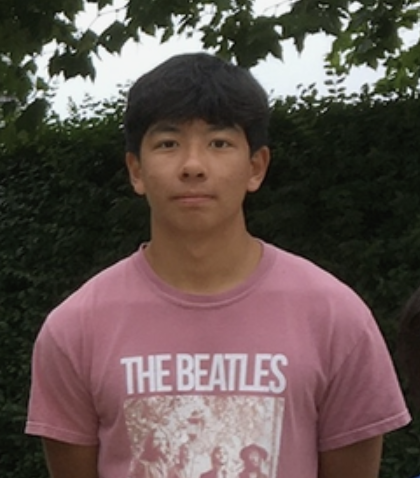
Andrew Chang is a senior at the Fieldston School in New York. He enjoys playing golf and is a member of his high school team. He has been involved in many ACAP events including practice management meeting and holiday parties, and is very grateful for the opportunities and community that ACAP has brought to him.